Suspension Fly
Suspension Fly demonstration
Performing the: A Step-by-Step Tutorial Suspension Fly
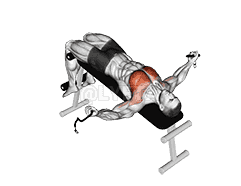
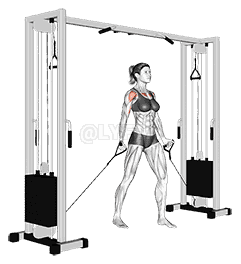
- Walk forward until there's tension on the straps and lean forward into a high plank position, extending your arms out to your sides in a 'T' shape, this is your starting position.
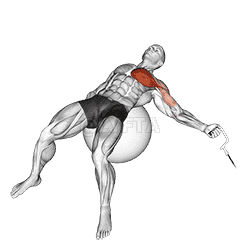
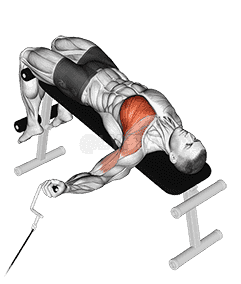
- Keeping your body straight and core engaged, pull your hands together in front of your chest, squeezing your chest muscles as you do this.
- Slowly and with control, reverse the movement to return to the starting position, ensuring your body remains straight and your movements are smooth.
- Repeat this exercise for the desired number of repetitions, ensuring to maintain form and control throughout.
Tips for Performing Suspension Fly
- **Controlled Movement**: When performing the Suspension Fly, control is key. Slowly lower your body by spreading your arms out to the sides, keeping your elbows slightly bent. Avoid letting your arms go too wide or dropping your body too quickly, as this can lead to shoulder strain.
- **Engage Your Core**: Engaging your core muscles is essential for stability and control during this exercise. As you lower your body, tighten your abdominal muscles to keep your body rigid and prevent your lower back from arching. A common mistake is to forget about the core
Can beginners do the Suspension Fly?
Yes, beginners can do the Suspension Fly exercise, but it's important to start with a lighter weight and focus on form to avoid injury. It's a challenging exercise that engages the chest, shoulders, and core. It might be beneficial to have a personal trainer or experienced individual demonstrate the exercise first. Also, if any discomfort or pain is experienced during the exercise, it should be stopped immediately to prevent injury.
What are common variations of the Suspension Fly?
- The Incline Suspension Fly is another variation where you adjust the straps to a higher position, targeting the upper chest muscles more intensely.
- The Decline Suspension Fly is a version where the straps are lowered, putting more emphasis on the lower chest muscles.
- The One-Arm Suspension Fly is a challenging variation that involves performing the exercise with one arm at a time, which can help address any imbalances in strength.
- The Suspension Fly with a Twist is a dynamic variation where you add a torso rotation at the peak of the fly movement, engaging your obliques and core muscles.