Dumbbell Swing
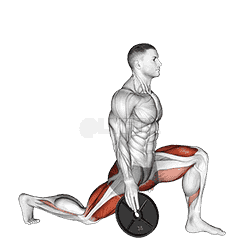
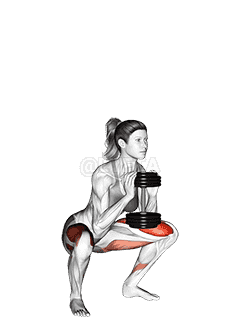
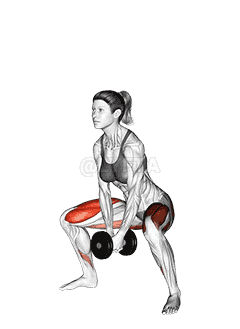
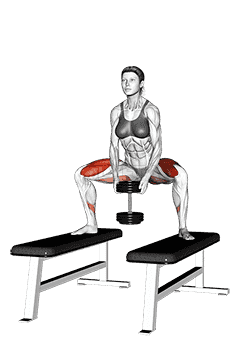
Dumbbell Swing demonstration
_Hips_small.png&w=3840&q=75)
Performing the: A Step-by-Step Tutorial Dumbbell Swing
- Lower your body into a squat, swinging the dumbbell between your legs while keeping your back straight and your chest up.
- Push your hips forward and straighten your legs to swing the dumbbell up to chest height while keeping your arms straight.
- Allow the dumbbell to swing back down, returning to the squat position, maintaining control of the weight throughout the movement.
- Repeat these steps for the desired number of repetitions, ensuring to maintain form and control throughout the exercise.
Tips for Performing Dumbbell Swing
- Avoid Using Your Arms: A common mistake is using the arms to lift the dumbbell. The Dumbbell Swing is a hip-dominant exercise and the power should come from your hips and glutes, not your arms or shoulders. Your arms should only be guiding the weight, not lifting it.
- Do Not Overextend: At the top of the swing, your body should form a straight line. Avoid leaning back or overextending your hips, as this could put unnecessary strain on your lower back and potentially lead to injury.
- Choose the Right Weight: Start with
Can beginners do the Dumbbell Swing?
Yes, beginners can certainly do the Dumbbell Swing exercise. However, it's important to start with a light weight until you get the form correct. This exercise involves both the upper and lower body, so it's crucial to ensure you're doing it right to avoid injury. It's always a good idea to have a trainer or experienced gym-goer check your form if you're unsure.
What are common variations of the Dumbbell Swing?
- Alternating Dumbbell Swing: In this variation, you switch the dumbbell from one hand to the other at the top of the swing, increasing the challenge to your coordination and core stability.
- Double Dumbbell Swing: This version requires you to use two dumbbells, one in each hand, which increases the overall weight and intensity of the exercise.
- Squat Dumbbell Swing: This variation involves a deeper squat at the beginning of the swing, which can help to engage the lower body more.
- Overhead Dumbbell Swing: In this variation, instead of stopping at shoulder height, you swing the dumbbell all the way overhead, which can help to engage the shoulders and upper back more.